Capacity-class guide

Best 1000Wh Power Stations

This guide defines the 1 kWh class as 800–1,300 Wh. It compares 11 verified current models for weekend travel, work-from-home continuity, and short essentials-backup plans.

Shortlist

Top recommended picks

How we evaluate products
EcoFlow DELTA 3 Plus portable power station
Best lower-cost option

EcoFlow DELTA 3 Plus

The lowest stored USD MSRP reference among in-class products with a recorded MSRP; this is not a live-price comparison.

1,024 Wh1,800 W27.6 lb

Trade-off: It weighs 27.6 lb, so lighter eligible options may be easier to move.

Check price at manufacturer · EcoFlow USExact product listing at EcoFlow US — availability may change
Check Price on Amazon.comExact product listing at Amazon US — availability may change

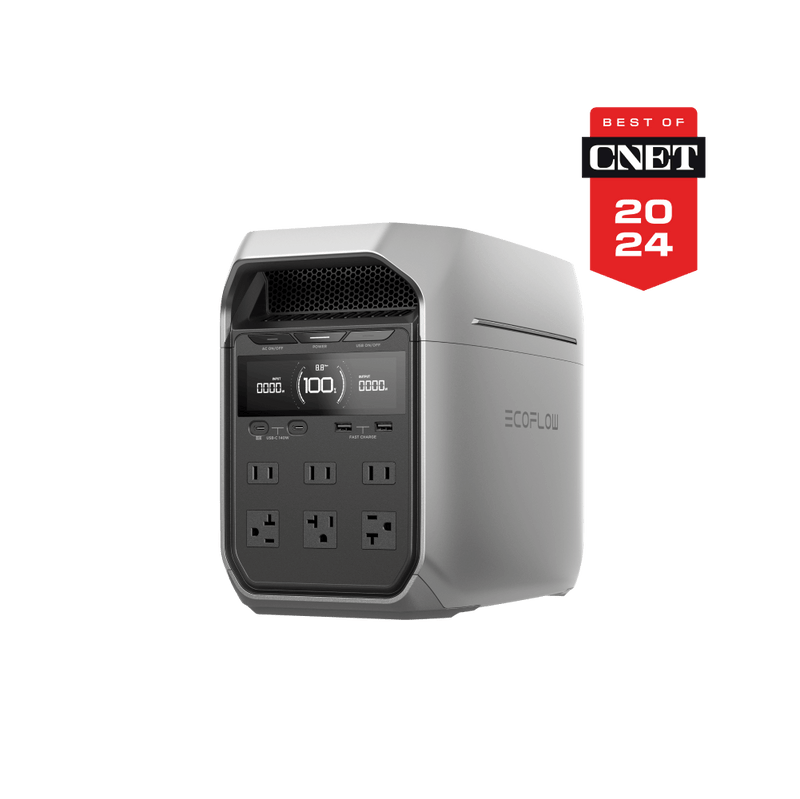
“Best lower-cost option” uses stored USD MSRP references only, not live retail pricing. Current prices and availability may differ.

1000Wh-class comparison

Compare 4 of these picks
PickProductCapacityContinuous / surgeWeightStored MSRP
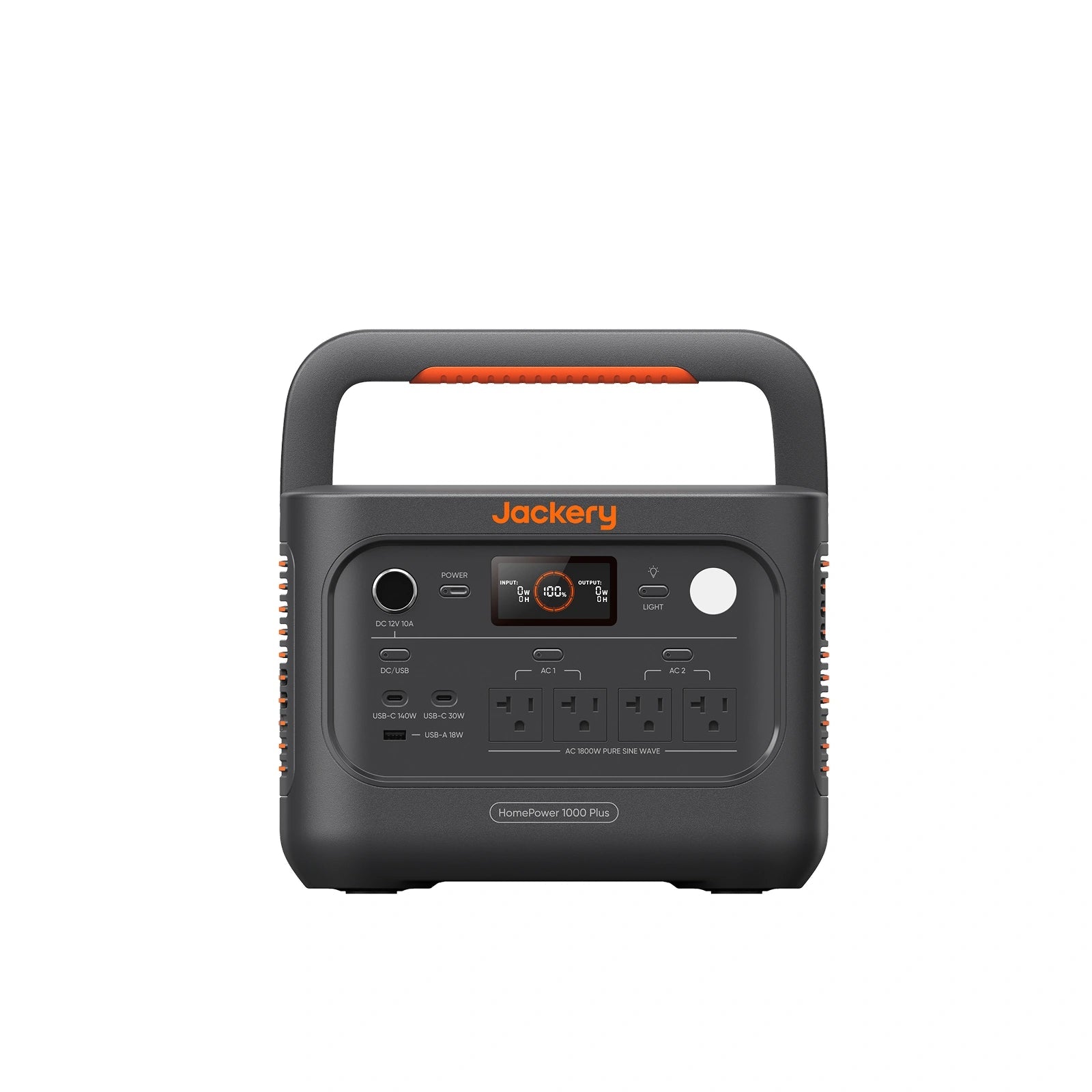
Best overall 1000Wh-class power stationJackery HomePower 1000 Plus v21,024 Wh1,800 W / 3,600 W23.8 lbNot recorded
Best lightweight optionBLUETTI Elite 100 mini1,004.8 Wh700 W / 1,400 W23.6 lbNot recorded
Best lower-cost optionEcoFlow DELTA 3 Plus1,024 Wh1,800 W / 3,600 W27.6 lb$799 USD
Best for camping / RVBLUETTI Elite 100 V21,024 Wh1,800 W / 2,700 W25.3 lbNot recorded
Best for home backupEcoFlow DELTA 21,024 Wh1,800 W / 2,700 W27 lb$999 USD

Specifications and MSRP references come from the normalized product records. MSRP is not a live selling price and is not converted between markets.

Category details

Why these products fit different 1 kWh needs

Best overall 1000Wh-class power station

Jackery HomePower 1000 Plus v2

The strongest balanced match for a 1,000 Wh reference need with meaningful inverter and startup-load headroom.

Reference need: 1,000 Wh · 1,000 W running · 1,800 W startup. Match score 96/100.

View product details

Why it matched

  • Meets your 1,000 W continuous running requirement.
  • Battery capacity is closely sized to your requested runtime.
  • Its surge rating covers your estimated 1,800 W startup requirement.
  • Includes UPS support for backup-power use.

Trade-off: Solar input is limited to 400 W.

Best lightweight option

BLUETTI Elite 100 mini

The lightest verified current model in the defined 800–1,300 Wh class that meets this moderate-output profile.

Reference need: 1,000 Wh · 600 W running · 1,200 W startup · lowest class weight. Match score 89/100.

View product details

Why it matched

  • Meets your 600 W continuous running requirement.
  • Battery capacity is closely sized to your requested runtime.
  • Its surge rating covers your estimated 1,200 W startup requirement.
  • Weighs 23.6 lb for transport.

Trade-off: Its battery capacity cannot be expanded later.

Best lower-cost option

EcoFlow DELTA 3 Plus

The lowest stored USD MSRP reference among in-class products with a recorded MSRP; this is not a live-price comparison.

Reference need: 1,000 Wh · 700 W running · 1,200 W startup · lowest stored MSRP reference. Match score 93/100.

View product details

Why it matched

  • Meets your 700 W continuous running requirement.
  • Battery capacity is closely sized to your requested runtime.
  • Its surge rating covers your estimated 1,200 W startup requirement.
  • Includes UPS support for backup-power use.

Trade-off: It weighs 27.6 lb, so lighter eligible options may be easier to move.

Best for camping / RV

BLUETTI Elite 100 V2

A strong deterministic fit for a mobile 1 kWh profile where capacity, output, and carrying weight all matter.

Reference need: 1,000 Wh · 700 W running · 1,200 W startup. Match score 91/100.

View product details

Why it matched

  • Meets your 700 W continuous running requirement.
  • Battery capacity is closely sized to your requested runtime.
  • Its surge rating covers your estimated 1,200 W startup requirement.
  • Weighs 25.3 lb for transport.

Trade-off: Its battery capacity cannot be expanded later.

Best for home backup

EcoFlow DELTA 2

A 1 kWh-class option with enough continuous and surge output for the defined essentials-backup reference profile.

Reference need: 1,000 Wh · 1,000 W running · 1,800 W startup. Match score 94/100.

View product details

Why it matched

  • Meets your 1,000 W continuous running requirement.
  • Battery capacity is closely sized to your requested runtime.
  • Its surge rating covers your estimated 1,800 W startup requirement.
  • Includes UPS support for backup-power use.

Trade-off: It weighs 27 lb, so lighter eligible options may be easier to move.

Realistic starting points

Example 1000Wh-class setups

Each example is generated by the existing calculator from cited or clearly disclosed planning presets. Open a setup to edit device watts, hours, duty cycle, and simultaneous-use assumptions.

Camping / weekend use

Mini-fridge + fan + two lights + phone + laptop

Estimated energy need
1,075 Wh
Continuous running load
249 W
Startup / surge requirement
449 W
Size this setup

Work-from-home outage

Laptop + monitor + Wi-Fi router + two lights + phone

Estimated energy need
975 Wh
Continuous running load
144 W
Startup / surge requirement
Not defined
Size this setup

Fridge + Wi-Fi + lights backup

Refrigerator + Wi-Fi router + two LED lights

Estimated energy need
1,175 Wh
Continuous running load
529 W
Startup / surge requirement
1,529 W
Size this setup

Estimated energy is device energy before conversion loss and reserve. Refrigerator and mini-fridge cycling and startup values are editable planning assumptions; verify each appliance label.

Buying guidance

Is the 1000Wh class right for you?

Who should buy one

This class suits users who need more than phone-and-light duty but still want a unit that is practical to move: weekend campers, RV users, remote workers, and short essentials-backup plans.

What it can realistically power

Typical plans can include laptops, networking, lights, a TV, fans, and some refrigeration. Compatibility depends on both inverter limits and appliance startup demand—not watt-hours alone.

Capacity versus inverter output

Watt-hours estimate how long a load may run. Continuous and surge watts determine whether it can run at all. A 1 kWh battery does not guarantee support for every high-watt appliance.

Portability trade-offs

In-class products still differ meaningfully in weight and dimensions. Compare the verified product size with your lifting, vehicle, shelf, or closet constraints.

Expected use cases

The class is most useful for finite, prioritized loads: a weekend setup, a workday outage, or selected home essentials. It is not a substitute for calculating the devices you intend to run.

When to move up to 2 kWh+

Move up when the calculator shows substantially more than 1 kWh, when refrigeration or outage coverage must last longer, or when you need more reserve between recharges and can accept extra size and weight.

Check the class against your own devices

The calculator checks energy, continuous load, and startup surge before recommending products. You can also explore our Home Backup, Camping, RV, and Apartments guides.

Frequently asked questions

What counts as a 1000Wh-class power station here?

This guide includes verified current models with approximately 800–1,300 Wh of rated battery capacity. Every recommendation on this page is inside that range; no out-of-class exception is currently needed.

How long will a 1000Wh power station run my devices?

Runtime depends on device watts, operating time, duty cycle, conversion loss, and reserve. Rated watt-hours are not the same as energy delivered at an AC outlet, so use the calculator with your own device labels for a planning estimate.

Can a 1000Wh unit run a refrigerator?

Only when continuous output covers the refrigerator’s running load and surge output covers compressor startup. Capacity then determines approximate runtime. Refrigerator power varies, so verify the appliance nameplate or manufacturer documentation.

When should I move up to a 2kWh-class power station?

Consider a larger class when your calculated energy need is well above 1 kWh, you need longer refrigeration or outage coverage, or you want more reserve between recharges. Higher capacity usually adds size, weight, and cost.

Do affiliate commissions affect these picks?

No. Eligibility and rankings use the same documented product data and deterministic scoring criteria used elsewhere on the site. Commission rates and live retail prices are not scoring inputs.

This guide uses manufacturer specifications, normalized product records, and transparent planning profiles—not hands-on testing claims. Check the linked product record and manufacturer documentation before purchase.