EcoFlow DELTA 3 Plus
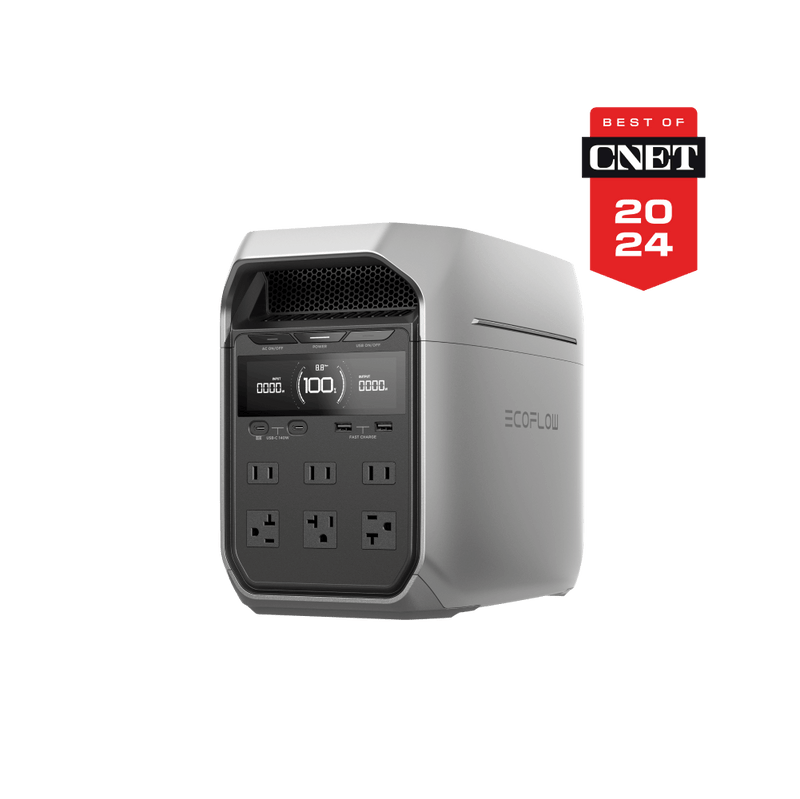
A balanced match for a substantial apartment essentials profile without moving into the largest or heaviest class.
Trade-off: It weighs 27.6 lb, so lighter eligible options may be easier to move.
Apartment backup guide
These picks use verified product records and deterministic backup scoring. Choose around the devices you need, the space you have, and the weight you can move—not battery capacity alone.
Shortlist

A balanced match for a substantial apartment essentials profile without moving into the largest or heaviest class.
Trade-off: It weighs 27.6 lb, so lighter eligible options may be easier to move.

The smallest enclosure in the verified catalog that meets this short-duration 250 Wh, 300 W profile.
Trade-off: Its battery capacity cannot be expanded later.

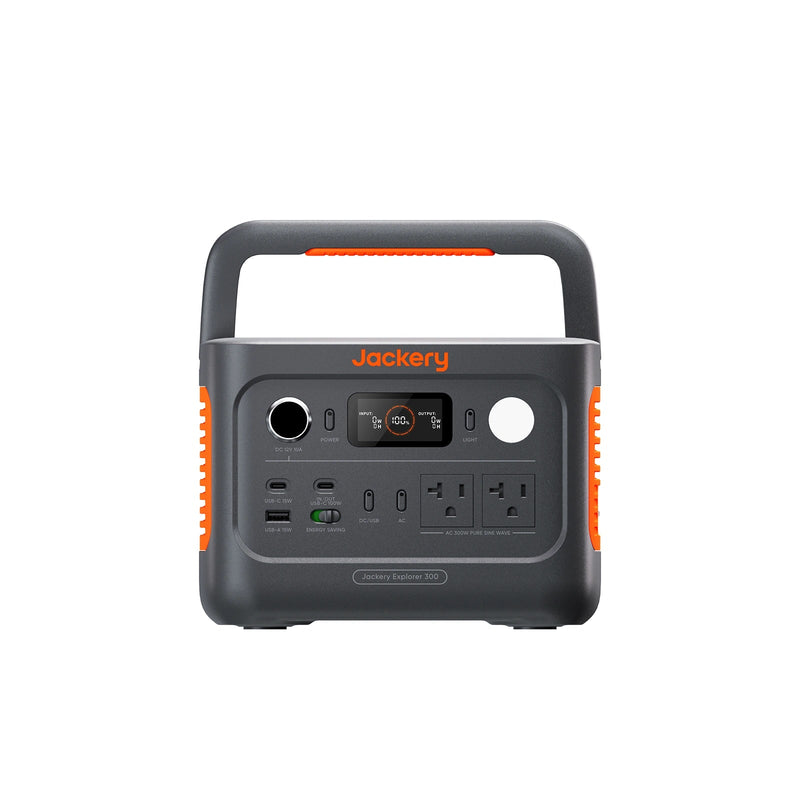
A lighter match for modest apartment loads when carrying and closet storage matter.
Trade-off: Its battery capacity cannot be expanded later.
| Pick | Product | Capacity | Continuous / surge | Weight | Dimensions |
|---|---|---|---|---|---|
| Best overall for apartments | EcoFlow DELTA 3 Plus | 1,024 Wh | 1,800 W / 3,600 W | 27.6 lb | 16 × 8 × 11 in |
| Best compact option | Jackery Explorer 300 Plus | 288 Wh | 300 W / 600 W | 8.27 lb | 9.1 × 6.1 × 6.6 in |
| Best lightweight option | Jackery Explorer 500 V2 | 512 Wh | 500 W / 1,000 W | 12.57 lb | 12.2 × 8.1 × 6.2 in |
| Best for fridge + Wi-Fi backup | Jackery Explorer 1500 V2 | 1,536 Wh | 2,000 W / 4,000 W | 31.97 lb | 13 × 8.7 × 9.5 in |
| Best higher-capacity apartment option | Anker SOLIX C2000 Gen 2 | 2,048 Wh | 2,400 W / 4,000 W | 41.7 lb | 18.1 × 10.1 × 9.8 in |
Ratings and dimensions are manufacturer specifications in our normalized dataset. Retail pricing and availability can change; use market-specific links to check current offers.
Category details
Best overall for apartments
A balanced match for a substantial apartment essentials profile without moving into the largest or heaviest class.
Reference apartment profile: 1,000 Wh · 600 W running · 1,200 W startup. Match score 93/100.
Trade-off: It weighs 27.6 lb, so lighter eligible options may be easier to move.
Best compact option
The smallest enclosure in the verified catalog that meets this short-duration 250 Wh, 300 W profile.
Reference apartment profile: 250 Wh · 300 W running · 600 W startup · smallest eligible enclosure. Match score 88/100.
Trade-off: Its battery capacity cannot be expanded later.
Best lightweight option
A lighter match for modest apartment loads when carrying and closet storage matter.
Reference apartment profile: 500 Wh · 500 W running · 900 W startup · 18 lb maximum. Match score 92/100.
Trade-off: Its battery capacity cannot be expanded later.
Best for fridge + Wi-Fi backup
A close capacity fit for the calculator’s four-hour refrigerator plus eight-hour Wi-Fi planning profile.
Reference apartment profile: 1,500 Wh · 510 W running · 1,510 W startup. Match score 83/100.
Trade-off: Its battery capacity cannot be expanded later.
Best higher-capacity apartment option
A larger battery for longer apartment outages, capped at 50 lb to avoid recommending the catalog’s heaviest systems.
Reference apartment profile: 2,000 Wh · 1,000 W running · 1,800 W startup · 50 lb maximum. Match score 91/100.
Trade-off: It weighs 41.7 lb, so lighter eligible options may be easier to move.
Starting points
Each example uses the calculator's existing cited or curated device presets. Wattage, duration, duty cycle, and simultaneous-load choices remain editable after opening the calculator.
Refrigerator + Wi-Fi router + two lights + phone charging
Laptop + monitor + Wi-Fi router + two lights + phone charging
Refrigerator + Wi-Fi router + two lights + laptop + phone charging
Energy need is device energy before conversion loss and reserve. Refrigerator cycling and startup allowances are editable planning estimates; verify the appliance nameplate.
Consider stairs, elevators, doorway clearance, and whether one person can move the recorded weight comfortably.
Compare the listed dimensions with the actual shelf or floor space available, while preserving manufacturer-required clearances.
More watt-hours extend approximate runtime but usually increase size and weight. Start with essential device-hours rather than the largest battery.
Continuous watts determine whether loads can run; surge watts matter for compressors such as refrigerators. Capacity alone does not establish compatibility.
Follow each manufacturer’s instructions for charging, ventilation, temperature, clearances, and storage, plus applicable building rules. This guide does not certify any model for every indoor location.
See broader outage profiles in the Home Backup guide, travel-focused picks in the Camping guide, or medical-device planning cautions in the CPAP guide.
Start with the devices you actually need and their intended hours. Watt-hours determine approximate runtime, while inverter watts and startup capability determine whether appliances can run. Refrigeration usually drives a much larger requirement than lights, internet equipment, or a laptop.
Only if its continuous output covers the refrigerator’s running load and its surge rating covers compressor startup. Many very small units do not meet those output requirements even when their energy math produces a theoretical runtime.
Compare the recorded dimensions and weight with your available storage and carrying route. Follow the product manufacturer’s charging, ventilation, temperature, clearance, and storage instructions, along with applicable building rules.
No. Eligibility and ranking use the same capacity, output, portability, home-backup feature, and longevity criteria described in our methodology. Price and commission rates are not ranking inputs.
This guide uses manufacturer specifications and transparent planning profiles, not hands-on testing claims. Check the linked product record and manufacturer documentation before purchase.