CPAP backup guide

Best Power Stations for CPAP

These picks use verified product records and transparent backup-power profiles built around our cited CPAP preset. Check your exact machine, settings, adapter, and required hours before choosing a battery.

Shortlist

Top recommended picks

How we evaluate products
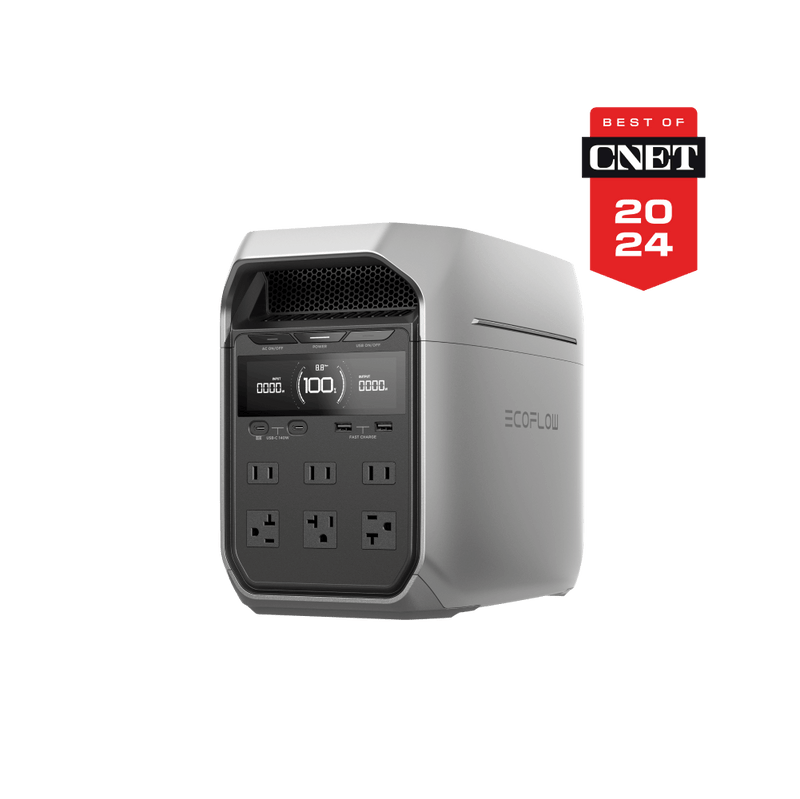
EcoFlow DELTA 3 Plus portable power station
Best overall for CPAP

EcoFlow DELTA 3 Plus

A balanced match for a conservative single-machine CPAP profile with additional battery headroom and UPS support.

1,024 Wh27.6 lb

56 W planning runtime: about 15.5 hr

Trade-off: It weighs 27.6 lb, so lighter eligible options may be easier to move.

Check price at manufacturer · EcoFlow USExact product listing at EcoFlow US — availability may change
Check Price on Amazon.comExact product listing at Amazon US — availability may change
Jackery Explorer 600 V2 portable power station
Best lightweight option

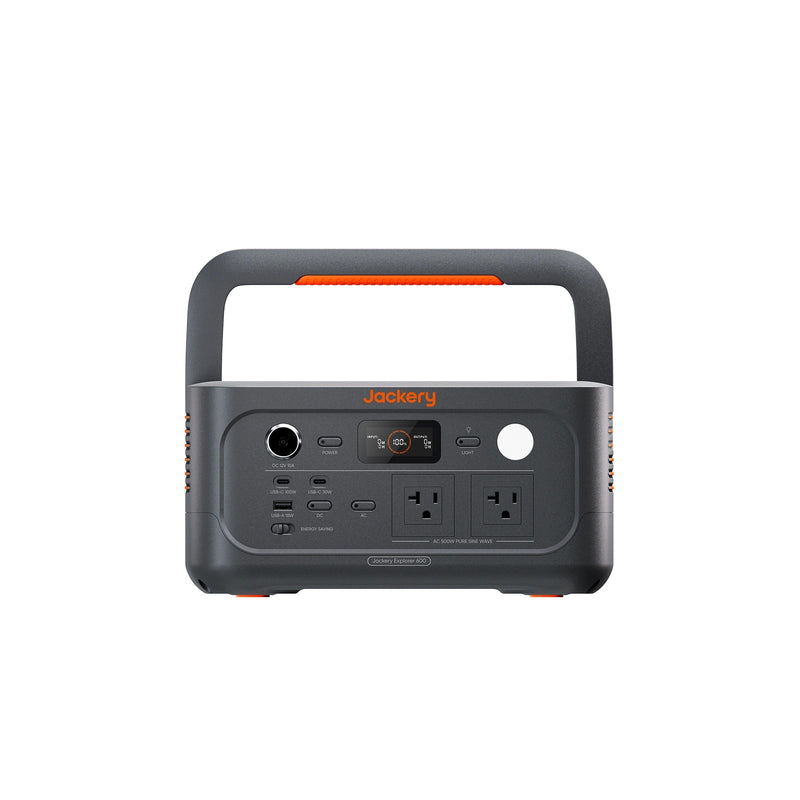
Jackery Explorer 600 V2

The top match under 15 lb that still meets the calculator’s current eight-hour typical CPAP planning requirement.

640 Wh14.1 lb

56 W planning runtime: about 9.7 hr

Trade-off: Its battery capacity cannot be expanded later.

Check price at manufacturer · Jackery USExact product listing at Jackery US — availability may change
Check Price on Amazon.comExact product listing at Amazon US — availability may change
Anker SOLIX C2000 Gen 2 portable power station
Best higher-capacity option

Anker SOLIX C2000 Gen 2

A larger-capacity match for longer coverage, higher documented device draw, or carefully planned additional loads.

2,048 Wh41.7 lb

56 W planning runtime: about 31.1 hr

Trade-off: It weighs 41.7 lb, so lighter eligible options may be easier to move.

Check price at manufacturer · Anker SOLIX USExact product listing at Anker SOLIX US — availability may change
Check Price on Amazon.comExact product listing at Amazon US — availability may change

CPAP power station comparison

Compare these picks
PickProductCapacity56 W planning runtimeWeightReported UPS support
Best overall for CPAPEcoFlow DELTA 3 Plus1,024 WhAbout 15.5 hr27.6 lbYes · 10 ms reported transfer
Best lightweight optionJackery Explorer 600 V2640 WhAbout 9.7 hr14.1 lbYes · 20 ms reported transfer
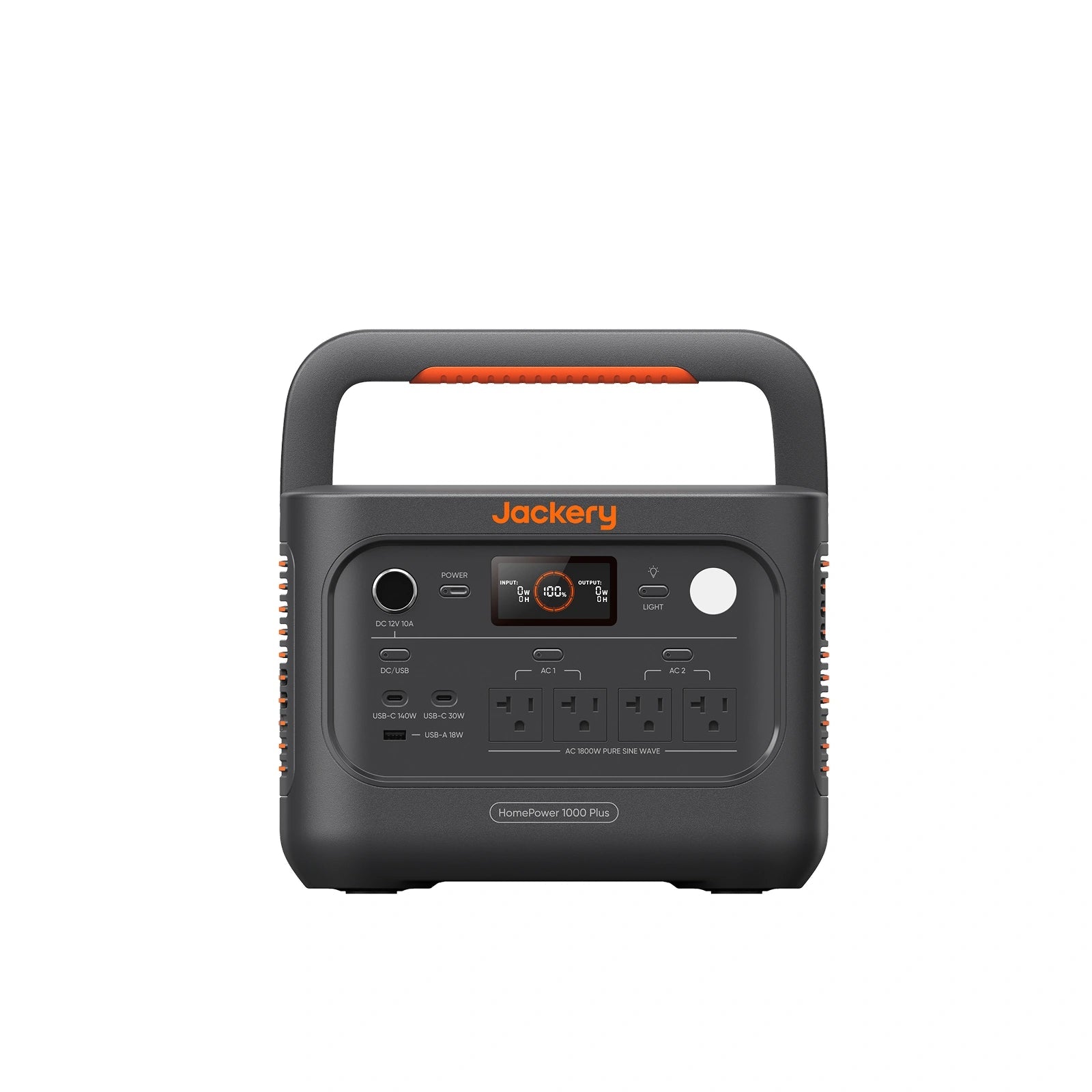
Best for overnight useJackery HomePower 1000 Plus v21,024 WhAbout 15.5 hr23.8 lbYes · 10 ms reported transfer
Best higher-capacity optionAnker SOLIX C2000 Gen 22,048 WhAbout 31.1 hr41.7 lbYes · 10 ms reported transfer

Runtime uses stored estimated usable energy divided by the cited 56 W planning load. It is not a guarantee for a specific CPAP or setting. UPS support is a manufacturer-reported product feature, not a medical suitability certification.

Category details

Why these products fit different CPAP plans

Best overall for CPAP

EcoFlow DELTA 3 Plus

A balanced match for a conservative single-machine CPAP profile with additional battery headroom and UPS support.

Reference CPAP profile: 900 Wh · 75 W running. Match score 88/100.

Why it matched

  • Meets your 75 W continuous running requirement.
  • Battery capacity is closely sized to your requested runtime.
  • Includes UPS support for backup-power use.

Trade-off: It weighs 27.6 lb, so lighter eligible options may be easier to move.

Best lightweight option

Jackery Explorer 600 V2

The top match under 15 lb that still meets the calculator’s current eight-hour typical CPAP planning requirement.

Reference CPAP profile: 622 Wh · 56 W running · 15 lb maximum. Match score 83/100.

Why it matched

  • Meets your 56 W continuous running requirement.
  • Battery capacity is closely sized to your requested runtime.
  • Includes UPS support for backup-power use.

Trade-off: Its battery capacity cannot be expanded later.

Best for overnight use

Jackery HomePower 1000 Plus v2

A close capacity fit for the cited eight-hour typical CPAP planning load, selected after the overall and lightweight picks.

Reference CPAP profile: 622 Wh · 56 W running · 8 hours. Match score 85/100.

Why it matched

  • Meets your 56 W continuous running requirement.
  • Provides enough battery capacity for your requested runtime.
  • Includes UPS support for backup-power use.

Trade-off: Solar input is limited to 400 W.

Best higher-capacity option

Anker SOLIX C2000 Gen 2

A larger-capacity match for longer coverage, higher documented device draw, or carefully planned additional loads.

Reference CPAP profile: 1,300 Wh · 100 W running. Match score 82/100.

Why it matched

  • Meets your 100 W continuous running requirement.
  • Battery capacity is closely sized to your requested runtime.
  • Includes UPS support for backup-power use.

Trade-off: It weighs 41.7 lb, so lighter eligible options may be easier to move.

Settings matter

CPAP with humidifier versus without humidifier

Heated humidification and heated tubing can materially change energy use. Because the effect depends on the machine and settings, our cited planning modes should not be treated as universal on/off ratings.

Lower-heat or humidifier-off planning

These settings may reduce consumption. The current 56 W typical mode produces 448 Wh of device energy over eight hours and a 622 Wh suggested rated capacity after existing calculator allowances.

The 56 W input is a cited typical planning value, not a guaranteed humidifier-off measurement for every machine.

Heated humidifier or heated-tube planning

Heat can increase demand. The existing 73 W conservative mode produces 584 Wh of device energy over eight hours and a 810 Wh suggested rated capacity after the same allowances.

This is a higher cited planning input, not a model-specific humidifier-on rating. Enter your CPAP's documented value when known.

Source: ResMed AirSense 11 user guide.

Calculator-backed example

Example overnight CPAP setup

One CPAP using the cited 56 W typical mode for eight hours. The calculator keeps the device, duration, and operating mode editable.

Size this setup
Estimated device energy
448 Wh
Continuous load
56 W
Startup / surge
Not defined for this preset
Suggested rated capacity
622 Wh

Portability

If the station travels with you, compare weight after confirming enough capacity. A lighter battery that cannot cover the documented overnight load is not a suitable trade-off.

Noise

Our current normalized catalog does not contain verified sound-level measurements, so noise is not ranked. Check manufacturer operating modes and fan behavior, and keep ventilation paths clear.

UPS considerations

The comparison shows reported UPS support and transfer time where stored. Confirm compatibility and acceptable interruption behavior with both manufacturers before relying on pass-through operation.

Continue your backup research

Compare broader outage loads in the Home Backup guide or travel-focused choices in the Camping guide.

Open the calculator

Frequently asked questions

How large a power station do I need for one night of CPAP use?

The current cited typical preset uses 56 W for eight hours, or 448 Wh of device energy. After the calculator’s existing conversion-loss and reserve assumptions, the suggested rated capacity is 622 Wh. Your machine, pressure, humidifier, heated tubing, and power adapter can change the result, so use its documented input when available.

Does a CPAP humidifier use more battery?

Heated humidification and heated tubing can increase consumption, but the increase is machine- and setting-specific. Our 56 W typical and 73 W conservative modes are planning inputs from the cited ResMed guide; they are not universal humidifier-off and humidifier-on ratings.

Can I use a power station as a CPAP UPS?

Some catalog products report UPS support and a transfer-time specification, but that does not establish medical suitability. Confirm the CPAP manufacturer’s power requirements, the station’s UPS behavior, and whether any interruption is acceptable for your use.

Do affiliate commissions affect these CPAP picks?

No. Eligibility and ranking use capacity, output, home-backup feature, portability, and longevity criteria from the same deterministic recommendation system. Price and commission rates are not ranking inputs.

This guide uses manufacturer specifications and transparent planning profiles, not hands-on testing claims. Check the linked product record and manufacturer documentation before purchase.